A Predictable 3-Phase System to Increase Productivity, Improve Outcomes, and Empower Your Orthodontic Team
In many orthodontic practices, inefficiency doesn’t come from a lack of effort — it comes from a lack of systems. Teams work hard, but without a structured approach to treatment planning and clearly defined roles, appointments can run long, communication becomes reactive, and cases take longer than expected to finish.
The most efficient orthodontic practices operate differently. They rely on well-trained teams, clear clinical protocols, and a treatment philosophy that guides every step of the patient journey.
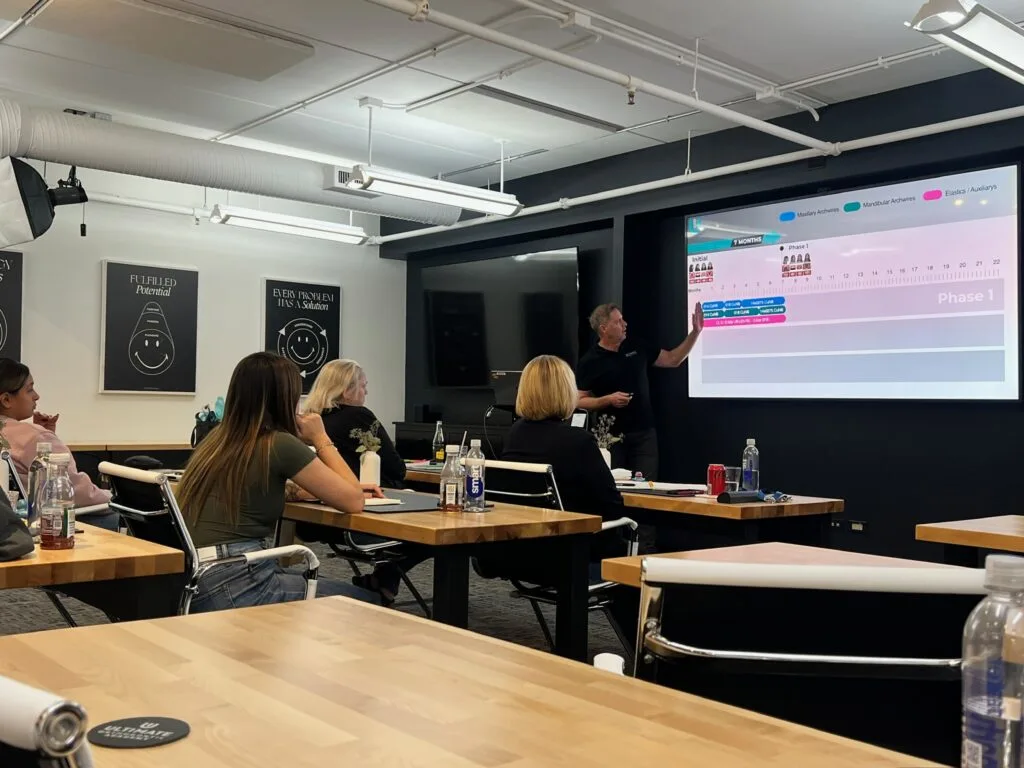
At Ultimate Orthodontic Academy, we teach orthodontists and their teams how to build these systems through comprehensive orthodontic team training. When every member of the team understands both the clinical and operational goals of treatment, practices become more productive, predictable, and profitable.
One of the most powerful ways to create this alignment is through structured treatment planning, specifically Dr. Bicknell’s 3 Phases of Treatment.
Efficiency Begins with Clarity
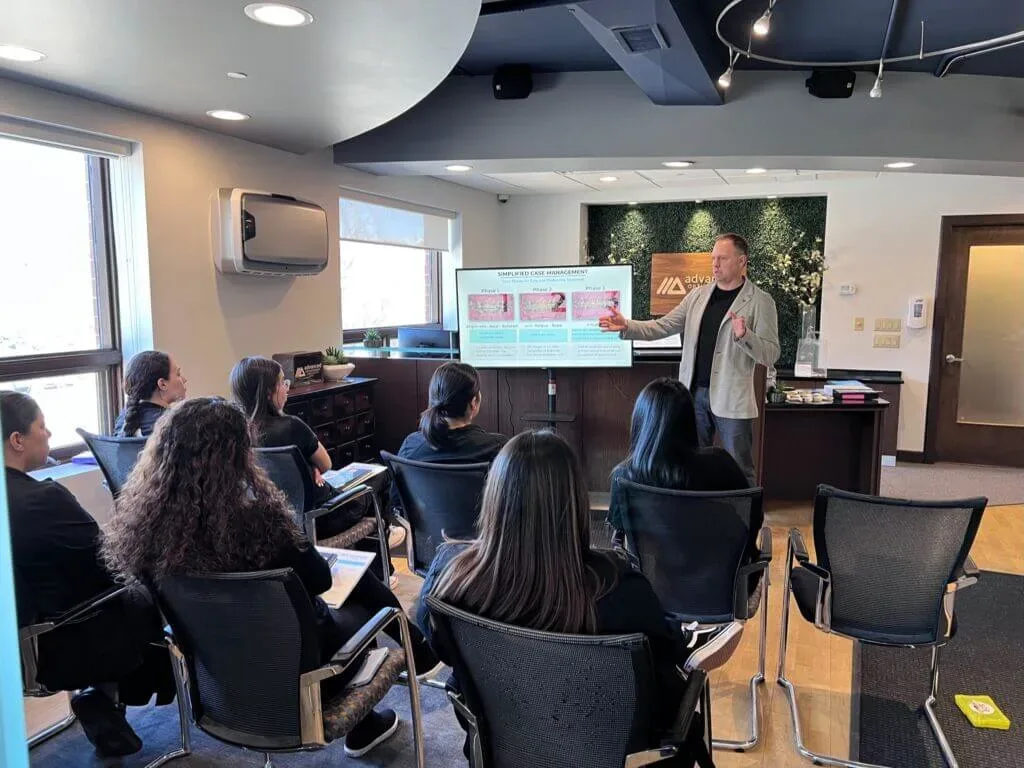
One of the biggest workflow challenges in orthodontics is trying to accomplish too much at once. When alignment, space closure, torque expression, and finishing mechanics are blended together without structure, cases become unpredictable. That unpredictability shows up in longer appointments, additional refinements, and more mid-treatment corrections.
A phased approach eliminates that chaos.
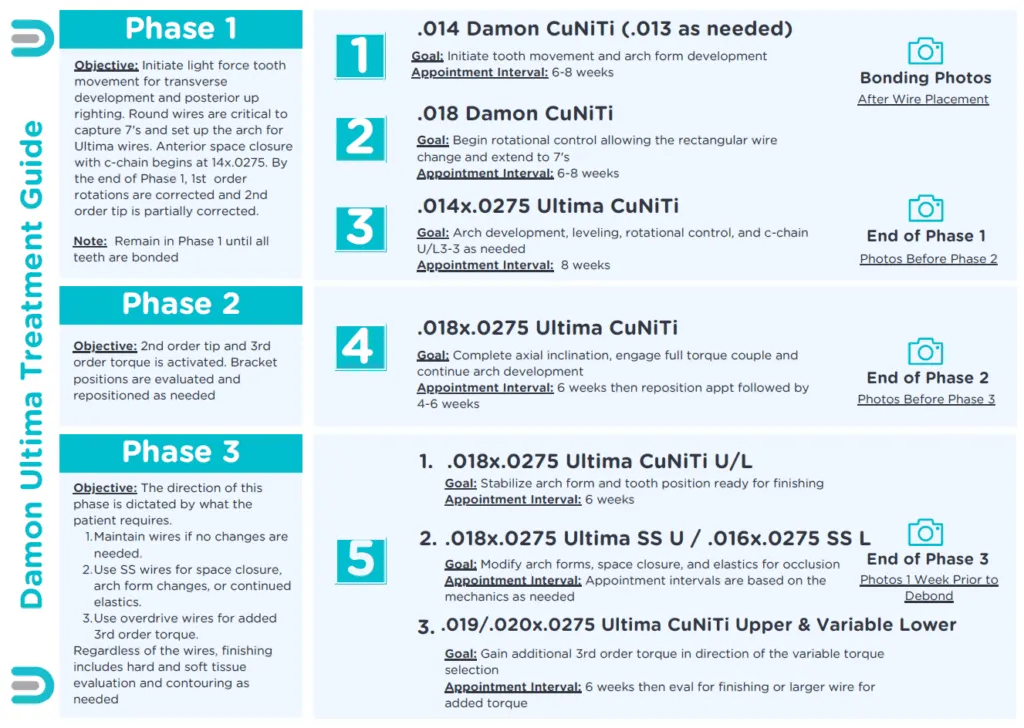
Dr. Michael Bicknell’s model organizes treatment into three intentional stages, each with a distinct clinical objective. Instead of reacting to problems as they arise, the doctor and team work through a clear progression. The result is less guesswork and more confidence — for everyone.
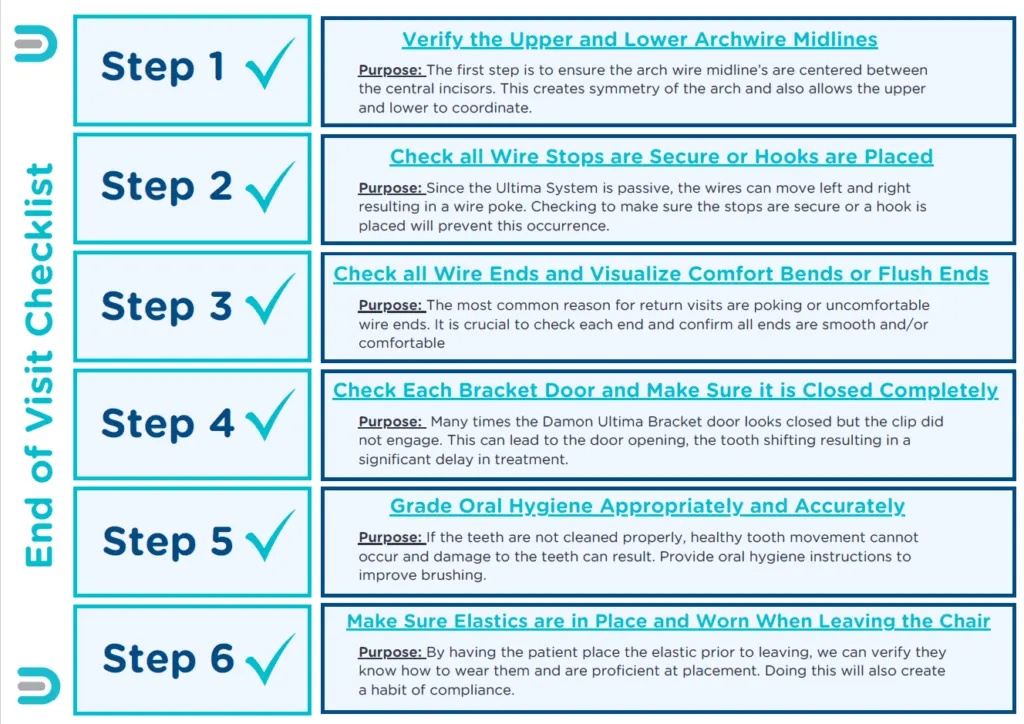
Phase 1: Building the Foundation
The first phase focuses on alignment and leveling. Crowding is resolved. Arch form is established. The biological foundation is respected before heavier mechanics are introduced.
When Phase 1 is executed thoroughly, the rest of treatment becomes significantly more predictable. Assistants know which wires are appropriate. Appointments stay focused. There’s less need for early bracket repositioning or mechanical backtracking.
This foundation-building stage prevents inefficiencies later — which is far more powerful than trying to fix them mid-treatment.
Phase 2: Purposeful Space Closure and A-P Correction
Once alignment is stable, treatment transitions into space closure and anterior-posterior correction. This separation is critical.
Many practices lose efficiency when they attempt to close space before alignment is complete or begin finishing mechanics too early. The result is prolonged treatment time and additional adjustments.
By clearly defining Phase 2, the entire team understands the mechanical objective of each visit. Elastics have purpose. Force systems are intentional. Wire progression becomes systematic rather than reactive.
When mechanics are phase-specific, cases move forward instead of sideways.
Phase 3: Intentional Finishing
Finishing should not feel rushed or improvised. In a structured system, it becomes its own deliberate phase.
Torque expression, root positioning, occlusal detailing, and smile arc refinement are addressed with clarity. Instead of chasing perfection throughout treatment, the team knows exactly when they’ve entered the detailing stage — and what criteria must be met before debond.
This dramatically reduces last-minute bracket repositioning and extended finishing appointments. Predictability at the end of treatment is what ultimately protects your schedule.
How a Phased System Transforms the Entire Clinic
The clinical benefits are obvious, but the operational impact is just as significant.
When your treatment planning is structured, assistants anticipate the next step instead of waiting for direction. Appointment times become more accurate and consistent. Emergency visits decrease because mechanics are intentional. Refinements are minimized because cases are staged properly.
Confidence increases across the team because everyone understands where the patient is in treatment — and where they’re headed next. That clarity reduces stress, and reduced stress leads to better performance.
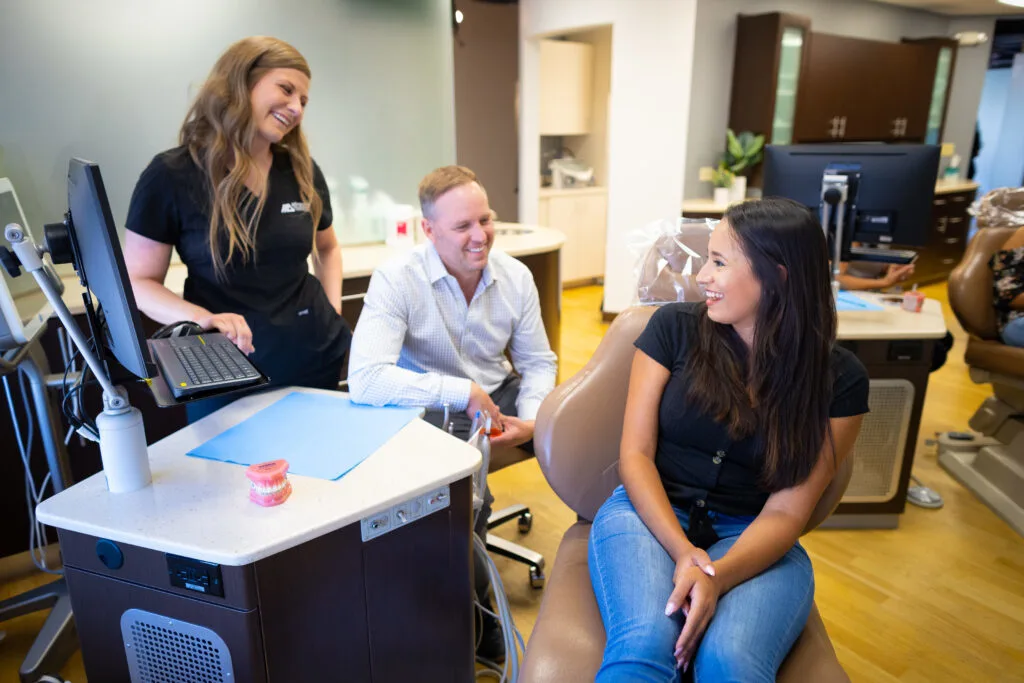
The Role of Each Team Member in Practice Efficiency
Efficiency in orthodontics doesn’t come from one person — it comes from a team that understands how their role contributes to the larger treatment plan.
Treatment Coordinators
The patient journey begins at the consultation. A well-trained treatment coordinator plays a crucial role in building trust with patients and clearly explaining the value of treatment. When treatment coordinators understand the clinical philosophy behind the doctor’s treatment planning, they can present treatment with greater confidence. This leads to stronger patient relationships and higher case acceptance.
Clinical Assistants
Clinical assistants are the engine of an efficient orthodontic practice. Their understanding of wire sequencing, bracket placement, clinical protocols, and chairside systems has a direct impact on appointment efficiency. When assistants receive advanced clinical training, they can anticipate the doctor’s next step, prepare more effectively, and help appointments run smoothly.
Clinical Photography and Diagnostics
Accurate diagnostics are essential for predictable treatment outcomes. Consistent orthodontic photography improves communication between the doctor and team while allowing for better case evaluation throughout treatment. When team members are trained to capture high-quality clinical photographs, the practice gains a valuable diagnostic tool that improves treatment planning and case finishing.
Scheduling Coordinators
Scheduling is often overlooked when discussing clinical efficiency, but it plays a significant role in maintaining a smooth workflow. When treatment follows a predictable phased system, scheduling coordinators can plan appointment lengths more accurately. This reduces bottlenecks, minimizes overbooked schedules, and creates a more relaxed environment for both patients and staff.
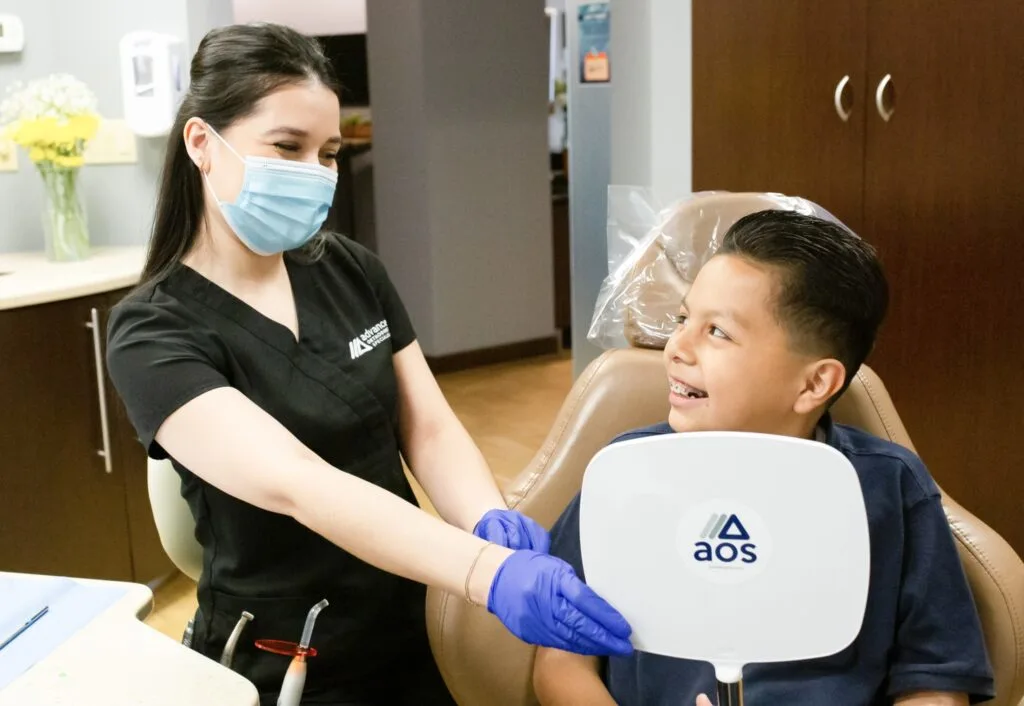
Turn Strategy Into Systems: Our Orthodontic Teams Training Course
Understanding the phases is one thing. Implementing them consistently across every operatory is another.
That’s exactly why we created our Orthodontic Teams Training Course at Ultimate Orthodontic Academy.
This course is designed specifically for orthodontic assistants and clinical team members who want to:
- Understand Dr. Bicknell’s 3 Phases of Treatment in depth
- Improve wire sequencing and appointment efficiency
- Reduce unnecessary adjustments and refinements
- Strengthen doctor–assistant communication
- Confidently anticipate the next step in treatment
Rather than teaching isolated tips, we focus on creating a shared clinical language inside your practice. When your entire team understands the “why” behind each phase, workflow becomes smoother, appointments become more productive, and treatment becomes more predictable.
If your goal is to reduce chair time, increase efficiency, and create a more confident clinical team, our orthodontic team training provides the structure and clarity needed to make it happen.
The Power of Orthodontic Team Training in Creating Efficient Practice Systems
Understanding these concepts is important, but real transformation happens when teams are trained to implement them consistently. That’s why Ultimate Orthodontic Academy offers comprehensive orthodontic team training designed to strengthen every role within the practice.
Our training programs include:
Treatment Coordinator Training
Master the art of building trust, presenting treatment with confidence, and increasing case acceptance during consultations.
Orthodontic Photography Training
Learn how to capture consistent, high-quality photos that enhance diagnostics and elevate your case presentations.
Wire Sequencing
Understand efficient wire progression and sequencing strategies that support predictable treatment outcomes and reduce unnecessary adjustments.
PSL Mechanics of Space Management
Refine your technique to move teeth efficiently while maintaining control, comfort, and esthetics.
Bracket and Bonding Protocols
Improve bonding accuracy and bracket placement to minimize errors and reduce mid-treatment adjustments.
Clinical Efficiency and Chairside Systems
Streamline workflows and standardize systems that help your clinical team deliver exceptional care in less time.
Clear Retention Protocols and Profitable Retainer Systems
Implement consistent retention strategies that simplify long-term care while creating additional revenue opportunities.
Clinical Management of Soft Tissue and TAD Procedures
Support advanced procedures with clear, step-by-step clinical protocols that increase efficiency and confidence.
Together, these courses provide orthodontic teams with the skills, systems, and clinical understanding needed to support predictable treatment planning and a more efficient practice.

Predictability Is Profitability
When treatment is predictable, schedules stabilize. When schedules stabilize, chair time decreases. When chair time decreases, production per hour increases — without adding stress to the team.
Better treatment planning doesn’t just improve smiles. It strengthens your workflow, protects your time, and supports long-term practice growth.
If your practice is ready to elevate efficiency through structured treatment planning and comprehensive orthodontic team training, Ultimate Orthodontic Academy is here to help.
Because when your team knows the plan, everything runs smoother — for your patients, your schedule, and your bottom line.
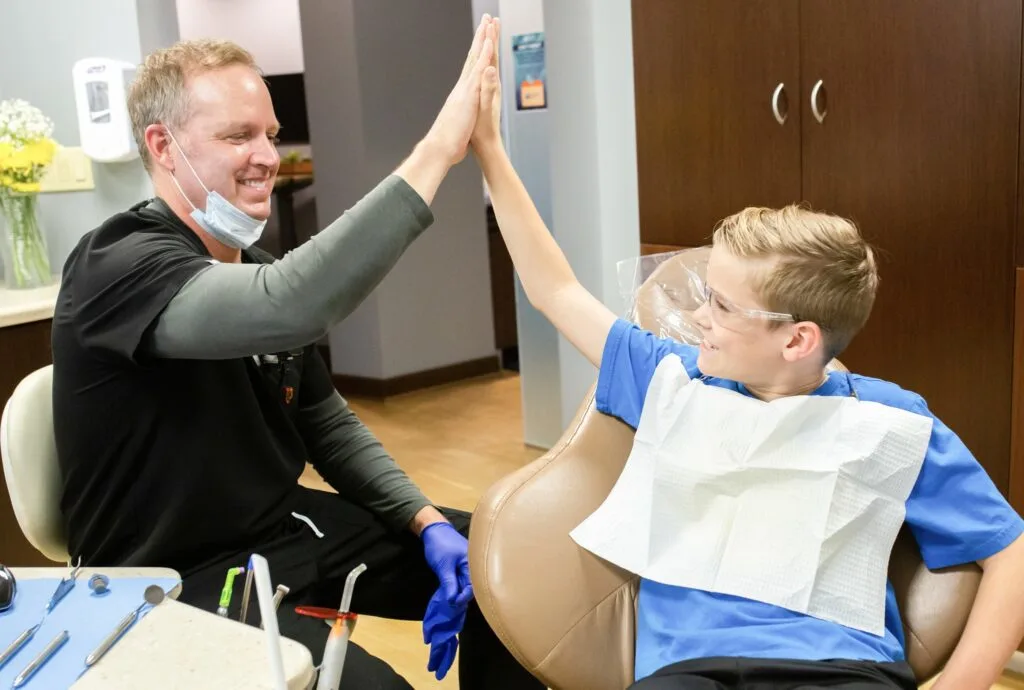
Schedule Your Orthodontic Team Training With Ultimate Orthodontic Academy
Whether you’re a seasoned team or just getting started, this experience will bring clarity, confidence and connection to your practice. This customized orthodontic team training is designed to inspire your team, align your goals and elevate the way you work together.
Learn More: https://ultimateorthoacademy.com/online-courses/orthodontic-team-training/
About Advanced Orthodontic Specialists: https://smilesbyaos.com/